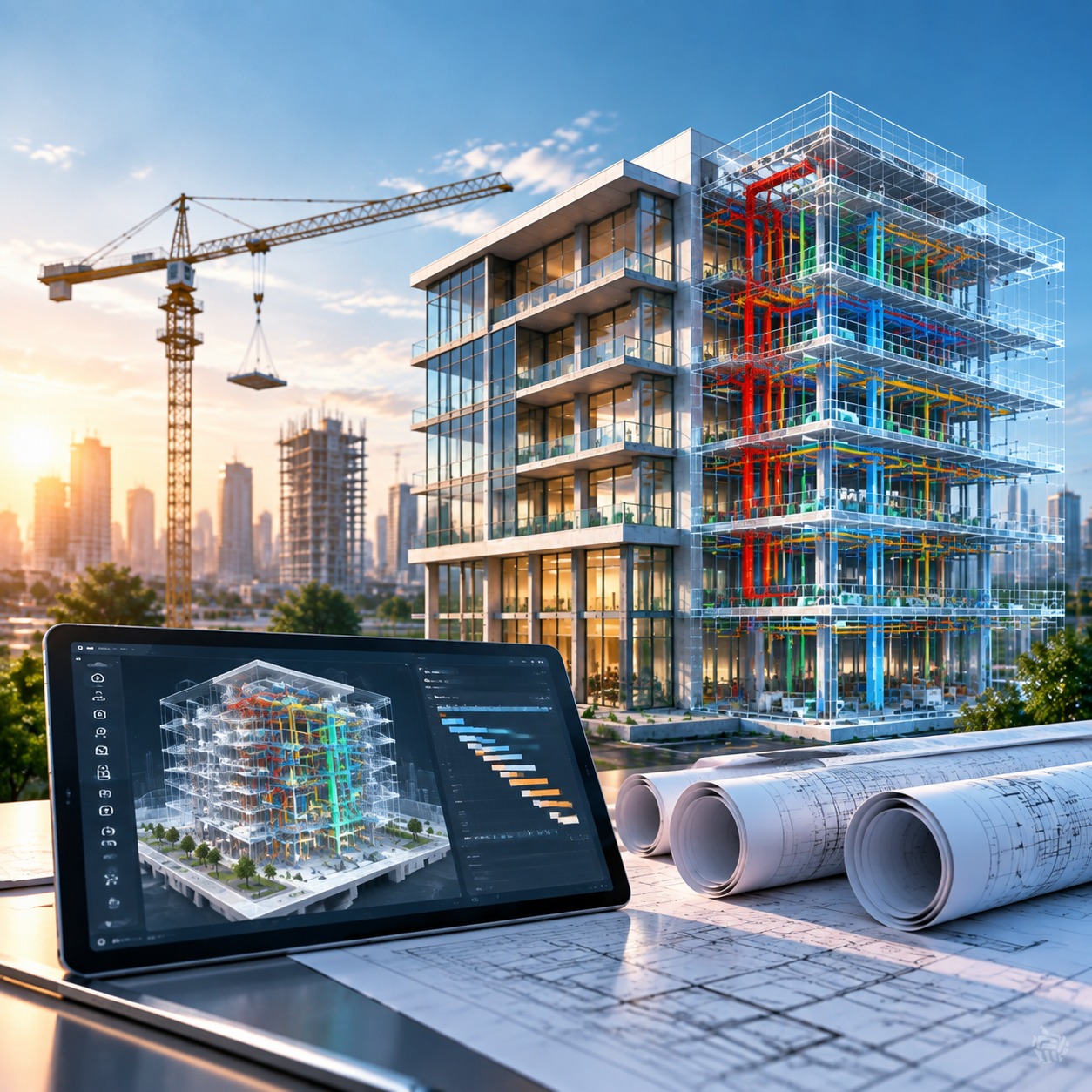
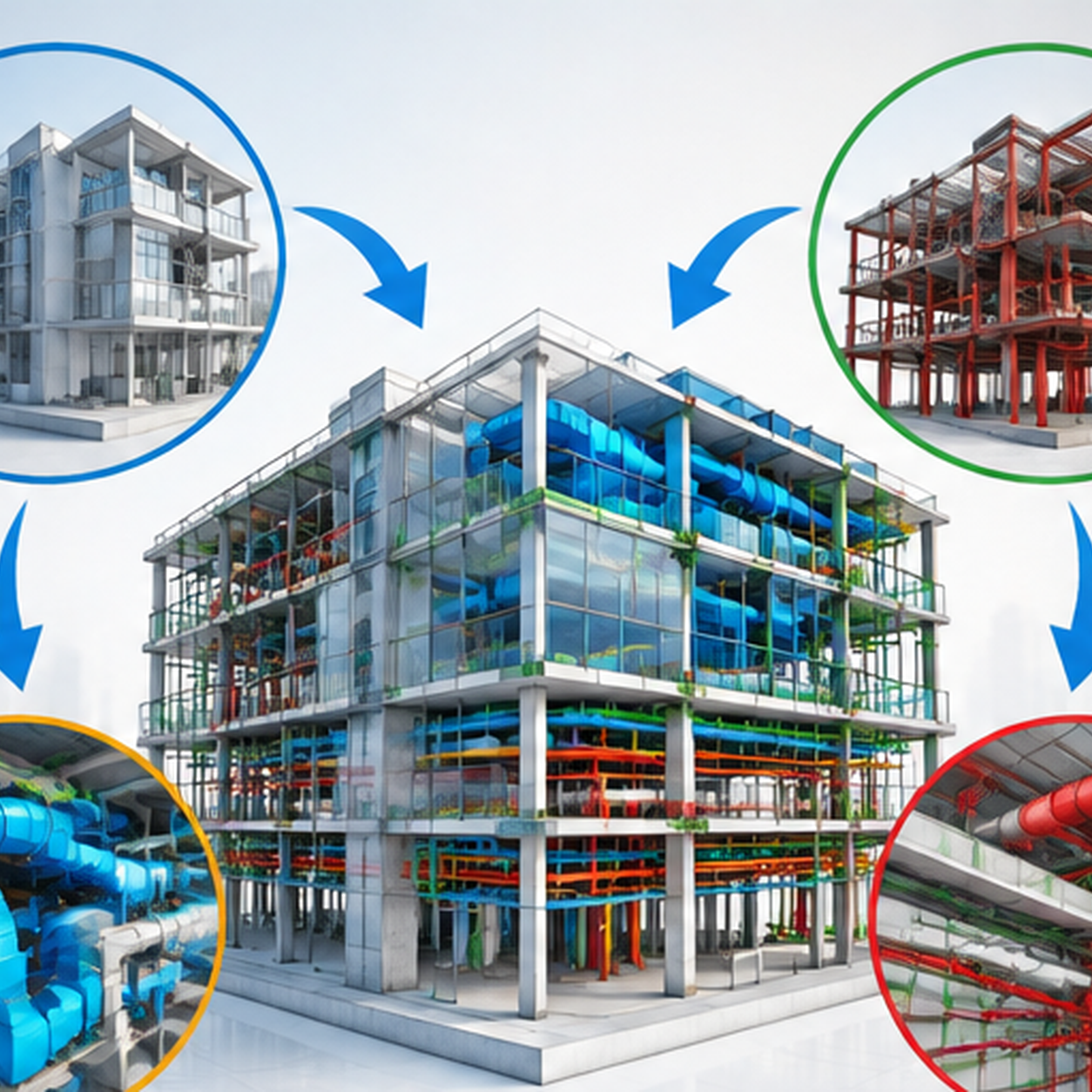
Buildings today are becoming smarter, more connected, and more efficient with the adoption of advanced automation technologies. A Building Automation System (BAS) helps transform traditional buildings into intelligent environments by enabling centralized monitoring, control, and optimization of various building operations.
A BAS integrates multiple building systems, including HVAC, lighting, security, fire safety, and energy management, into a unified platform. It allows facility teams to monitor performance, improve operational efficiency, reduce energy consumption, and enhance occupant comfort through automated control.
With the growing adoption of smart building technologies, these systems have become essential for commercial buildings, corporate offices, hospitals, educational institutions, residential complexes, and industrial facilities.
By combining sensors, controllers, automation logic, and Building Management System Software, BAS enables buildings to operate more efficiently while supporting sustainability and better facility management.
What is a Building Automation System (BAS)?
A Building Automation System (BAS) is an integrated technology solution that uses hardware, software, sensors, and control devices to monitor and automatically manage different building operations.
The main purpose of a BAS is to create a centralized environment where different building systems can communicate with each other and operate efficiently based on real-time conditions.
A modern Building Automation System can monitor and control:
- Heating, Ventilation, and Air Conditioning (HVAC) systems
- Lighting systems
- Electrical systems
- Security and access control systems
- Fire and life safety systems
- Energy monitoring systems
- Water management systems
A BAS is often used interchangeably with a Building Management System (BMS). While BMS generally focuses on monitoring and managing building operations, BAS emphasizes automated control and optimization of connected systems.
Through advanced Building Management System Software, facility managers can:
- Monitor building performance
- Track energy consumption
- Receive system alerts
- Analyze operational data
- Control connected equipment
This centralized approach helps organizations improve efficiency, reduce operational costs, and create smarter building environments.
How Does a Building Automation System Work?
A Building Automation System works by connecting different building systems through sensors, controllers, communication networks, and centralized software platforms.
The BAS working process involves collecting data, analyzing conditions, and automatically adjusting connected systems based on predefined settings.
The major stages include:
1. Data Collection Through Sensors
Sensors are the foundation of a BAS. They collect real-time information from different areas of a building and provide data required for automated decision-making.
Common sensors used in a Building Automation System include:
- Temperature sensors
- Humidity sensors
- Occupancy sensors
- Indoor air quality sensors
- Energy monitoring sensors
- Equipment monitoring sensors
For example, occupancy sensors can detect whether a room is being used and automatically adjust lighting and HVAC operation accordingly.
2. Data Processing Through Controllers
Controllers act as the processing unit of a BAS. They analyze information received from sensors and determine the required action based on programmed settings.
Controllers manage connected systems such as:
- HVAC equipment
- Lighting systems
- Pumps
- Valves
- Electrical devices
These controllers form an important part of Building Controls, enabling automated responses based on changing building conditions.
For example, if a meeting room becomes unoccupied, the BAS controller can reduce cooling and switch off unnecessary lighting automatically.
3. Automated Control Through Building Controls
Based on sensor data and programmed rules, the BAS sends commands to connected devices.
These Building Controls help automate:
- Temperature adjustment
- Lighting operation
- Equipment scheduling
- Energy optimization
- System monitoring
This allows buildings to respond intelligently to occupant needs and environmental changes.
4. Monitoring Through Building Management System Software
The final stage of BAS operation involves monitoring and managing building systems through centralized software.
With Building Management System Software, facility managers can access:
- Real-time system performance
- Energy usage reports
- Equipment status
- Maintenance alerts
- Operational trends
This centralized monitoring improves decision-making and helps facility teams maintain efficient building operations.
Components of a Building Automation System
A complete Building Automation System consists of multiple hardware and software components that work together to automate and optimize building operations.
The major components include:
1. Sensors
Sensors collect real-time information about building conditions and help the BAS make automated decisions.
Common sensors include:
- Temperature sensors
- Humidity sensors
- Occupancy sensors
- Air quality sensors
- Energy monitoring sensors
The data collected by sensors allows buildings to automatically adjust systems according to actual requirements.
2. Controllers
Controllers analyze sensor data and execute automated actions based on predefined settings.
They control different building operations, including:
- HVAC systems
- Lighting systems
- Electrical equipment
- Mechanical systems
Controllers are essential for creating intelligent Building Controls within modern buildings.
3. Communication Networks and Protocols
Communication networks allow different devices and systems within a BAS to exchange information.
Common communication protocols include:
- BACnet
- Modbus
- KNX
- LonWorks
- IoT-based protocols
These protocols ensure seamless communication between different building systems.
4. Building Management System Software
The software platform provides a centralized interface for monitoring and controlling building operations.
Through Building Management System Software, facility managers can:
- Monitor system performance
- Analyze energy consumption
- Manage alarms
- Generate reports
- Optimize operations
This helps organizations improve efficiency and make data-driven decisions.
HVAC Building Automation: The Core of Smart Buildings
Heating, Ventilation, and Air Conditioning (HVAC) systems are among the most important components of modern buildings and are responsible for a significant portion of overall energy consumption.
A HVAC Building Automation System enables intelligent monitoring, automated control, and optimization of HVAC operations by connecting HVAC equipment with a centralized BAS platform.
Through HVAC Building Automation, buildings can automatically manage:
- Temperature control
- Airflow management
- Ventilation control
- Humidity regulation
- Equipment scheduling
- Indoor air quality monitoring
A HVAC Building Automation System uses real-time data from sensors, occupancy patterns, and environmental conditions to optimize HVAC performance.
For example, an office building can automatically reduce cooling in unoccupied areas while maintaining comfortable conditions in occupied spaces.
Integration of HVAC with a HVAC Building Management System helps organizations achieve:
- Improved energy efficiency
- Better equipment performance
- Enhanced occupant comfort
- Reduced maintenance requirements
By automating HVAC operations, buildings can maintain better indoor environments while minimizing unnecessary energy consumption.
Applications of Building Automation Systems
A Building Automation System can be applied across multiple building operations to improve efficiency, safety, and overall performance.
The major applications include:
Lighting Automation
Lighting automation is one of the most common applications of a BAS.
A smart lighting system uses sensors, scheduling, and automated controls to manage lighting based on occupancy and environmental conditions.
A BAS can control lighting through:
- Occupancy detection
- Daylight harvesting
- Automated scheduling
- Smart dimming controls
For example, lights can automatically switch off when a room is vacant or adjust brightness based on available natural light.
This reduces unnecessary energy consumption while improving occupant comfort.
Energy Management
Energy management is one of the key benefits of implementing a Building Automation System.
A BAS continuously monitors energy usage across different building systems and identifies opportunities for improvement.
Energy management features include:
- Real-time energy monitoring
- Consumption analysis
- Equipment performance tracking
- Automated energy-saving strategies
By analyzing energy patterns, facility managers can identify inefficient operations and implement strategies to reduce energy waste.
A well-integrated BAS supports organizations in achieving:
- Lower operational costs
- Improved energy efficiency
- Better sustainability performance
Energy Efficiency and Building Automation
Energy efficiency is one of the primary reasons organizations invest in a Building Automation System.
Buildings consume energy through various systems, including HVAC, lighting, electrical equipment, and mechanical operations. Managing these systems manually can result in unnecessary energy usage.
A BAS improves energy efficiency by automatically monitoring conditions and adjusting building operations according to actual requirements.
Key energy-saving capabilities include:
Smart HVAC Optimization
A BAS can analyze temperature, occupancy, and environmental conditions to optimize HVAC operation.
Examples include:
- Reducing cooling in unoccupied areas
- Adjusting airflow based on demand
- Optimizing equipment schedules
Intelligent Lighting Control
Automation reduces lighting energy consumption through:
- Occupancy-based lighting
- Daylight utilization
- Automated switching
- Smart dimming
Energy Monitoring and Analytics
Through Building Management System Software, facility teams can monitor energy consumption patterns and identify areas where improvements can be made.
Energy analytics help organizations:
- Track consumption trends
- Detect unusual energy usage
- Improve operational efficiency
- Make data-driven decisions
Sustainable Building Operations
A Building Automation System supports sustainable building practices by reducing energy waste and improving resource management.
This makes BAS an important technology for organizations focusing on:
- Green buildings
- Energy efficiency goals
- Sustainable infrastructure
Security System Integration
Modern buildings require connected security solutions that can communicate with other building systems.
A Building Automation System can integrate with:
- Access control systems
- CCTV surveillance
- Intrusion detection systems
Integration enables centralized monitoring and allows facility teams to respond quickly to security events.
For example, access control events can trigger automated actions such as adjusting lighting, sending alerts, or notifying security personnel.
H3: Fire and Life Safety Integration
Fire and life safety systems are essential components of modern building infrastructure.
A BAS can integrate with fire safety systems to provide centralized monitoring and improve emergency response.
Integration may include:
- Fire alarm monitoring
- Smoke detection systems
- Emergency ventilation control
- Safety notifications
This allows building operators to quickly identify issues and coordinate appropriate responses.
Water Management
Water management automation helps buildings monitor and optimize water usage.
A BAS can integrate with water systems to monitor:
- Water consumption
- Pump operation
- Tank levels
- Leakage detection
Automated water management helps reduce wastage and improves resource efficiency in commercial and industrial buildings.
Exploring Types of Building Management Systems
A Building Management System (BMS) is designed to monitor, control, and manage different building services through a centralized platform.
Depending on building requirements and operational complexity, different types of BMS solutions can be implemented.
1. HVAC Management Systems
HVAC-focused BMS solutions are designed to monitor and control heating, ventilation, and air conditioning operations.
They help manage:
- Temperature regulation
- Airflow control
- Equipment scheduling
- Indoor air quality
These systems improve occupant comfort while reducing HVAC-related energy consumption.
2. Energy Management Systems
Energy-focused BMS solutions help organizations monitor and optimize energy usage.
They provide:
- Energy consumption tracking
- Performance analysis
- Automated optimization
- Reporting capabilities
These systems help businesses improve efficiency and reduce operational expenses.
3. Lighting Management Systems
Lighting management systems automate lighting operations based on:
- Occupancy
- Time schedules
- Natural daylight availability
This improves energy efficiency while creating comfortable environments.
4. Integrated Building Management Systems
Integrated BMS platforms combine multiple building services into one centralized system.
These may include:
- HVAC
- Lighting
- Security
- Fire safety
- Energy monitoring
Through Building Management System Software, facility teams can monitor and control different systems from a single interface.
Benefits of Building Automation Systems
A Building Automation System (BAS) provides significant advantages by improving the way buildings are monitored, controlled, and managed.
By integrating HVAC, lighting, security, energy management, and other building systems into a centralized platform, BAS helps organizations improve efficiency, reduce operational costs, and create better environments for occupants.
The key benefits of a Building Automation System include:
Improved Energy Efficiency
One of the biggest advantages of a Building Automation System is improved energy efficiency.
Traditional buildings often experience energy wastage because systems operate continuously without considering actual requirements. BAS solves this challenge by automatically adjusting building operations based on real-time conditions.
Energy-saving capabilities include:
- Optimizing HVAC operation based on occupancy
- Adjusting lighting based on usage patterns
- Monitoring energy consumption
- Managing equipment schedules
- Identifying inefficient operations
For example, a BAS can reduce cooling in empty rooms or switch off unnecessary lighting when spaces are not occupied.
Through continuous monitoring and automation, organizations can lower energy consumption and improve sustainability.
Enhanced Occupant Comfort
(Changes made: Existing concept retained. Added smart building context and BAS application relevance.)
A Building Automation System improves occupant comfort by maintaining ideal indoor conditions.
BAS automatically manages:
- Temperature
- Humidity
- Air quality
- Lighting levels
- Ventilation
By responding to changing environmental conditions, automation creates a more comfortable and productive indoor environment.
For commercial buildings, hospitals, educational institutions, and residential developments, maintaining occupant comfort is an important part of overall building performance.
Predictive Maintenance and Equipment Monitoring
A modern Building Automation System supports predictive maintenance by continuously monitoring connected equipment and identifying unusual performance patterns.
Instead of waiting for equipment failures, facility teams can use BAS data to identify potential issues early.
Predictive maintenance helps organizations:
- Reduce unexpected downtime
- Improve equipment lifespan
- Schedule maintenance proactively
- Reduce repair expenses
Integration with Building Management System Software allows facility teams to track equipment performance and receive alerts when attention is required.
Centralized Facility Management
A major advantage of BAS is centralized facility management.
Instead of operating different systems separately, facility managers can monitor and control multiple building services through a single platform.
With Building Management System Software, operators can:
- Monitor real-time system performance
- Manage alarms and notifications
- Analyze operational data
- Control connected systems
- Generate performance reports
This improves operational visibility and allows faster decision-making.
BAS vs BMS: Understanding the Difference
A Building Automation System (BAS) and a Building Management System (BMS) are closely related technologies used to monitor and manage building operations.
In many cases, these terms are used interchangeably because both solutions help improve building efficiency, automation, and operational control.
However, their focus can differ.
A Building Management System (BMS) generally focuses on monitoring and managing different building services, including:
- HVAC systems
- Lighting systems
- Electrical systems
- Security systems
- Fire safety systems
- Energy monitoring systems
A Building Automation System (BAS) focuses more on automated control and optimization. It uses sensors, controllers, and programmed logic to automatically adjust connected systems according to real-time conditions.
For example:
- A BMS can display temperature readings and equipment status.
- A BAS can automatically adjust HVAC operation based on occupancy and environmental conditions.
In modern smart buildings, BAS and BMS solutions work together to create efficient, connected, and intelligent building environments.
Smart Buildings and the Future of Building Automation
The future of building management is moving toward smarter, more connected, and data-driven environments.
The integration of IoT, analytics, and intelligent automation is enhancing the capabilities of Building Automation Systems.
Modern BAS solutions can integrate with:
- Smart sensors
- Connected HVAC equipment
- Cloud-based monitoring platforms
- Advanced analytics tools
- Automated control systems
These technologies help buildings become more responsive by collecting real-time data and using it to optimize operations.
As organizations focus on sustainability and operational efficiency, BAS will continue to play an important role in developing intelligent buildings.
Frequently Asked Questions (FAQ)
What is a Building Automation System?
A Building Automation System (BAS) is a centralized system that connects and controls different building services, including HVAC, lighting, security, and energy management systems.
It uses sensors, controllers, and software platforms to monitor conditions and automate building operations.
What are the main components of a BAS?
A Building Automation System includes sensors, controllers, communication networks, Building Controls, and Building Management System Software. These components work together to monitor and automate building operations.
Is BAS the same as BMS?
BAS and BMS are closely related and often used interchangeably. BMS focuses on monitoring building systems, while BAS focuses on automated control and optimization.
How does HVAC Building Automation improve efficiency?
A HVAC Building Automation System improves efficiency by automatically managing temperature, airflow, ventilation, and equipment operation based on occupancy and real-time conditions.
What is Building Management System Software used for?
Building Management System Software provides centralized monitoring and control of building systems. It helps facility managers track performance, analyze data, and manage alerts efficiently.
Conclusion
A Building Automation System has become an essential technology for modern buildings by enabling intelligent control, improved efficiency, and better facility management.
By integrating HVAC, lighting, security, energy management, and other building services, BAS helps organizations create smarter, safer, and more sustainable environments.
With advancements in IoT, analytics, and connected technologies, BAS Building Automation Systems continue to transform the way buildings operate.
For organizations looking to reduce energy consumption, improve operational performance, and enhance occupant experiences, implementing a reliable Building Automation System is an important step toward creating efficient and intelligent buildings.